What Does an Architect Actually Do? A Look at the Full Scope of Architectural Services
When most people think about hiring an architect, they picture someone drawing floor plans or designing a beautiful building. While that's certainly part of the job, architects are involved in much more than design.
According to the Royal Architectural Institute of Canada (RAIC), architectural services cover the entire journey of a project, from the first idea all the way through construction and even after the building is finished.
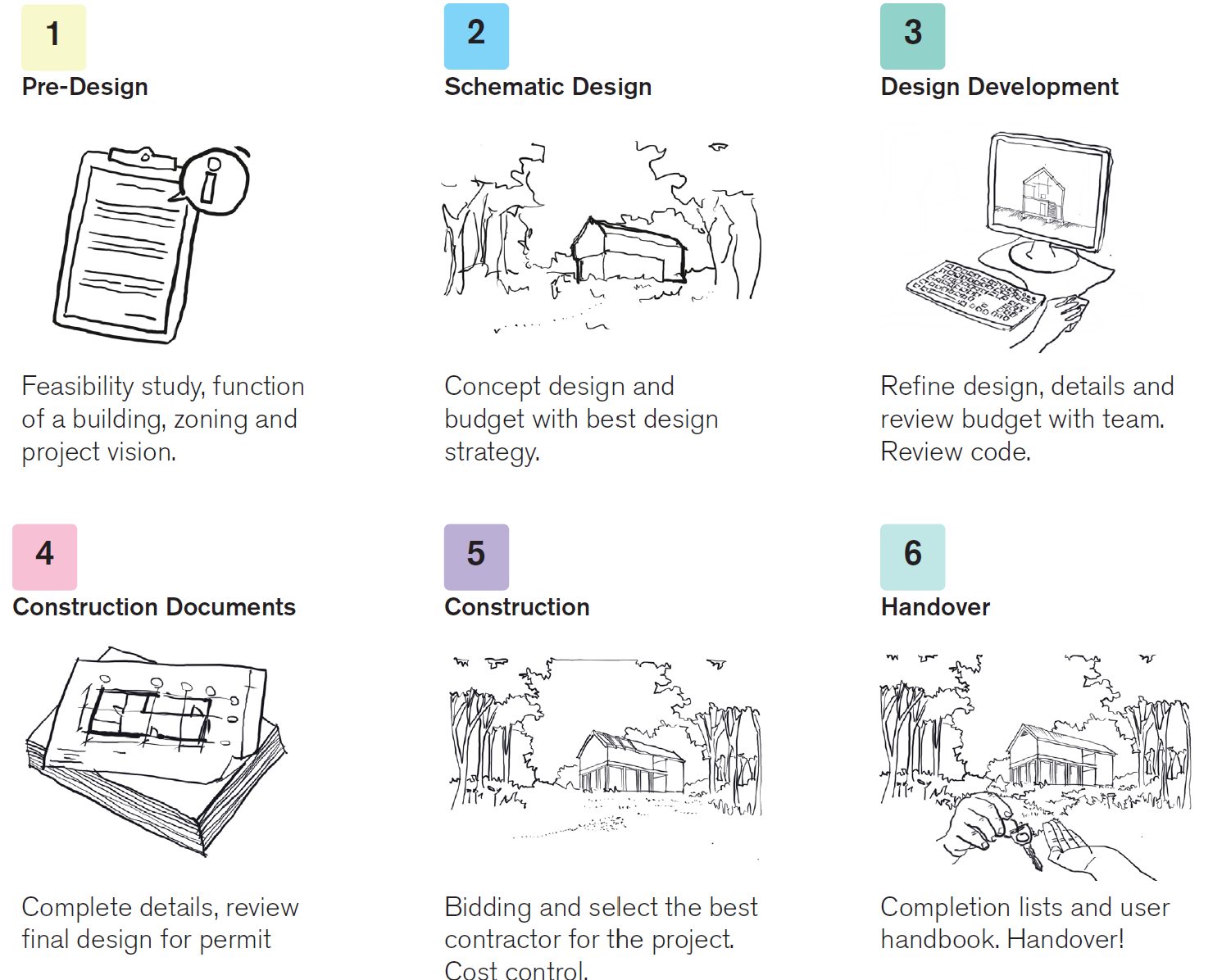
Here's a simple breakdown of what happens at each stage.
1. Pre-Design: Figuring Out the Big Picture
Before any drawings are created, there's a lot of planning to do.
This stage is all about understanding what the client wants, what the budget is, and whether the project makes sense for the site and the goals.
Some of the things that happen during pre-design include:
Understanding the client's needs and priorities
Looking at how spaces should connect and function
Creating a project schedule
Developing an initial budget
Reviewing possible sites
Studying environmental and energy considerations
Looking at existing buildings if renovations are involved
Meeting with authorities and agencies when needed
Special consultants may also be brought in for things like land surveys or soil testing.
2. Schematic Design: Turning Ideas Into Concepts
Once the goals are clear, the design process begins.
At this stage, architects start exploring ideas and creating preliminary layouts that show how the building could look and function.
This usually includes:
Early floor plans and sketches
Different design options
Basic interior design concepts
Initial cost estimates
Meetings with the client to review ideas
Coordination with engineers and other consultants
Think of this phase as creating the first draft of the project.
3. Design Development: Refining the Details
After a design direction is chosen, it's time to develop it further.
The building starts to take shape as architects and consultants work through the details together.
During this phase:
Floor plans become more detailed
Building systems are coordinated
Interior design choices are refined
Updated cost estimates are prepared
Renderings or 3D views may be created
Client feedback continues to guide decisions
This is where ideas start becoming a real, buildable project.
4. Construction Documents: Creating the Roadmap
Once the design is approved, the team prepares the detailed drawings and specifications that contractors will use to build the project.
These documents include:
Construction drawings
Technical specifications
Contract documents
Interior construction details
Coordination with engineers and consultants
Updated construction cost reviews
The goal is to make sure everyone involved understands exactly what needs to be built.
5. Bidding and Contractor Selection
With the drawings complete, contractors can price the project.
Architects often help by:
Issuing bidding documents
Answering contractor questions
Providing clarifications and updates
Reviewing bids
Assisting with contractor selection
Helping finalize construction contracts
This stage helps ensure the client gets fair pricing and qualified builders.
6. Construction: Helping the Project Stay on Track
The architect's role doesn't stop when construction starts.
Throughout the build, architects help make sure the project is being constructed according to the drawings and specifications.
Typical services include:
Site visits and inspections
Reviewing progress
Answering questions from contractors
Reviewing shop drawings and material submissions
Managing changes that arise during construction
Reviewing payment applications
Certifying substantial completion
This stage often involves close collaboration between the owner, contractor, architect, and consultants.
7. Post-Construction: After the Building Is Finished
Even after construction is complete, there may still be work to do.
Architects can assist with:
Reviewing deficiencies
Warranty inspections
Performance reviews
Start-up support
One-year warranty inspections
Final project evaluations
The goal is to make sure everything works as intended and any outstanding issues are addressed.
More Than Just Drawings
One of the biggest misconceptions about architects is that they only create designs. In reality, architects help guide projects from start to finish.
The RAIC's Scope of Architectural Services shows that architects play a role in planning, budgeting, coordination, approvals, construction oversight, and post-construction support.
Whether you're building a new home, renovating a commercial space, or developing a large facility, understanding these phases can help you see the value architects bring throughout the entire process.
A successful project isn't just about great design. It's about having the right guidance from the first conversation to the day the doors open.